Use Cases
Keeping a Roof Over Your Head During a Long Injury Claim
• 2 min read
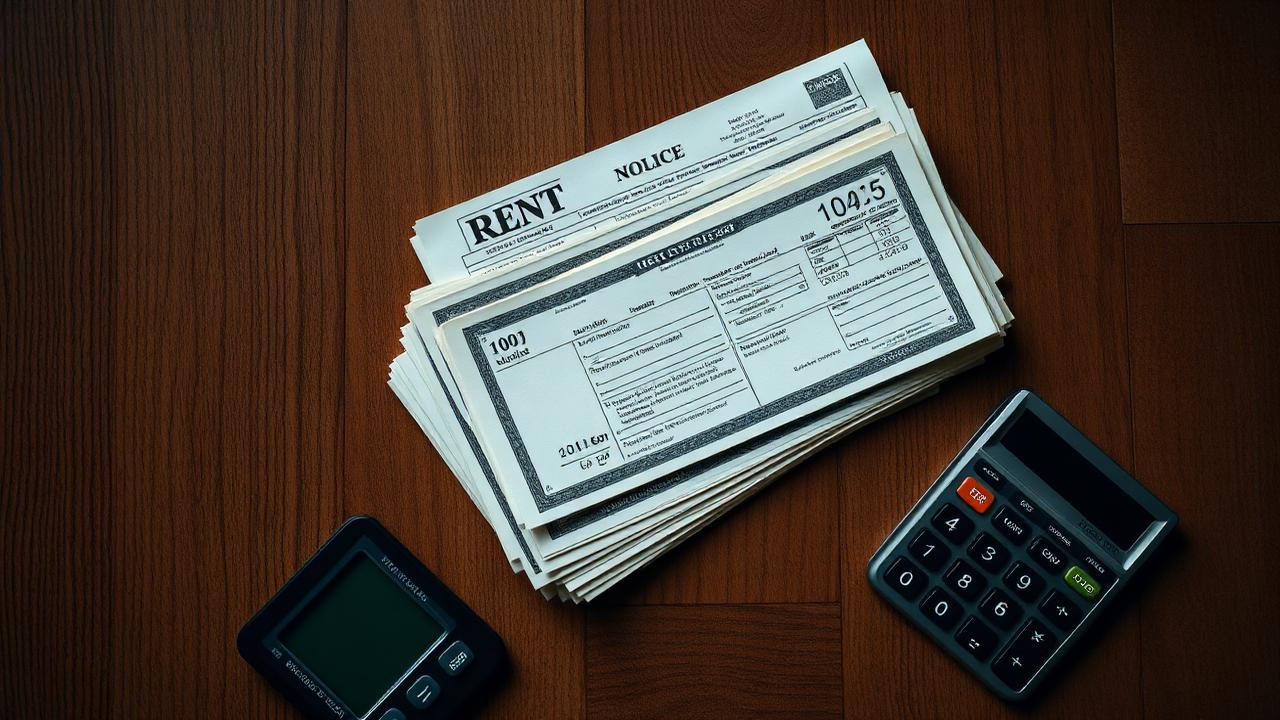
When you can't work, rent doesn't stop. Pre-settlement funding is one of the most common tools claimants use to avoid eviction during recovery.
An eviction record follows you for years. It makes it harder to rent again, harder to qualify for a mortgage, and harder to recover financially even after your case settles.
Pre-settlement funding lets you stay current on rent or mortgage payments while your case works through the legal system. Most personal injury cases take six months to two years to resolve.
A modest advance — even just a few thousand dollars — can be the difference between staying in your home and being forced to move during recovery.
Because repayment only happens at settlement, you don't have a new monthly bill stacking on top of the one you're already struggling with.
Why housing is the first thing to protect
Of all the bills a recovering claimant juggles, none has consequences as severe and long-lasting as falling behind on rent or mortgage payments. Eviction records and foreclosure filings stay on your record for seven years or more.
Future landlords, mortgage lenders, and even some employers run housing background checks. A single eviction can put safe, affordable housing out of reach for years after your case is over.
The math of waiting it out
The average personal injury case settles in 12 to 18 months. If your monthly rent is $1,500 and you have lost income, you could face $18,000 to $27,000 in housing costs alone before settlement.
A modest pre-settlement advance — even just three or four months of rent — can be enough to keep you stable while attorney negotiations play out.
What to do before applying
First, talk to your landlord. Many landlords will accept partial payments or short-term hardship arrangements, especially if you have been a reliable tenant.
Second, check whether your area has tenant protection programs or emergency rental assistance funds. Free help is always better than paid funding.
Third, if those options run out, that is the moment a pre-settlement advance makes sense — to protect housing you would otherwise lose.
Homeowners face similar pressure
If you have a mortgage, falling behind triggers late fees within a month and credit reporting within 30 to 60 days. Foreclosure can begin in as little as four months of missed payments in some states.
Pre-settlement funding has saved more than a few claimants from foreclosure during the long wait for a settlement. The cost of the advance is almost always less than the cost of losing the house.
Talk to AARC before you make a financial move you'll regret
Every situation is different, and the right answer depends on the specifics of your case, your timeline, and what you need the money for. The single best thing you can do is have a short, no-pressure conversation with someone who funds these cases every day.
Call AARC at (800) 297-3834 or apply online in about three minutes. There is no credit check, no obligation, and no cost to find out what you qualify for. If a cash advance isn't the right tool for your situation, we'll tell you that too.
Frequently asked questions
- What can I spend the advance on?
- There are no restrictions. Claimants commonly use funds for rent, groceries, utilities, transportation, childcare, and medical co-pays while their case is pending.
- Is a pre-settlement cash advance a loan?
- No. It is non-recourse funding tied to your personal injury claim. There are no monthly payments, and if your case does not recover, you owe nothing.
- Do I need good credit or a job to qualify?
- No. AARC does not run a credit check and does not require employment or income verification. Approval is based on the strength of your claim and your attorney's representation.
- How fast can I get funded?
- Most approved applicants receive funds in as little as 24 hours once AARC has the case documents from your attorney.
- How much does it cost?
- AARC uses a flat fee rather than compounding monthly interest. Typical advances are $500, $750, or $1,000, and the illustrative payoff at settlement is 2x the advance amount.
About the author
Written by the funding team at AARC — Accident Advance & Resource Center. AARC underwrites pre-settlement cash advances for personal injury claimants and works directly with plaintiff attorneys across 45 states. Our team reviews case documentation daily and writes from that firsthand experience.
This article is general information, not legal or financial advice. Always confirm details with your attorney. Contact AARC or call (800) 297-3834 with questions about your specific case.